The 2026 Urban Resilience (All-Out Defense Mobilization) Exercise in Miaoli County was successfully completed on May 13 ,14 (Wednesday and Thursday)
2026/05/29
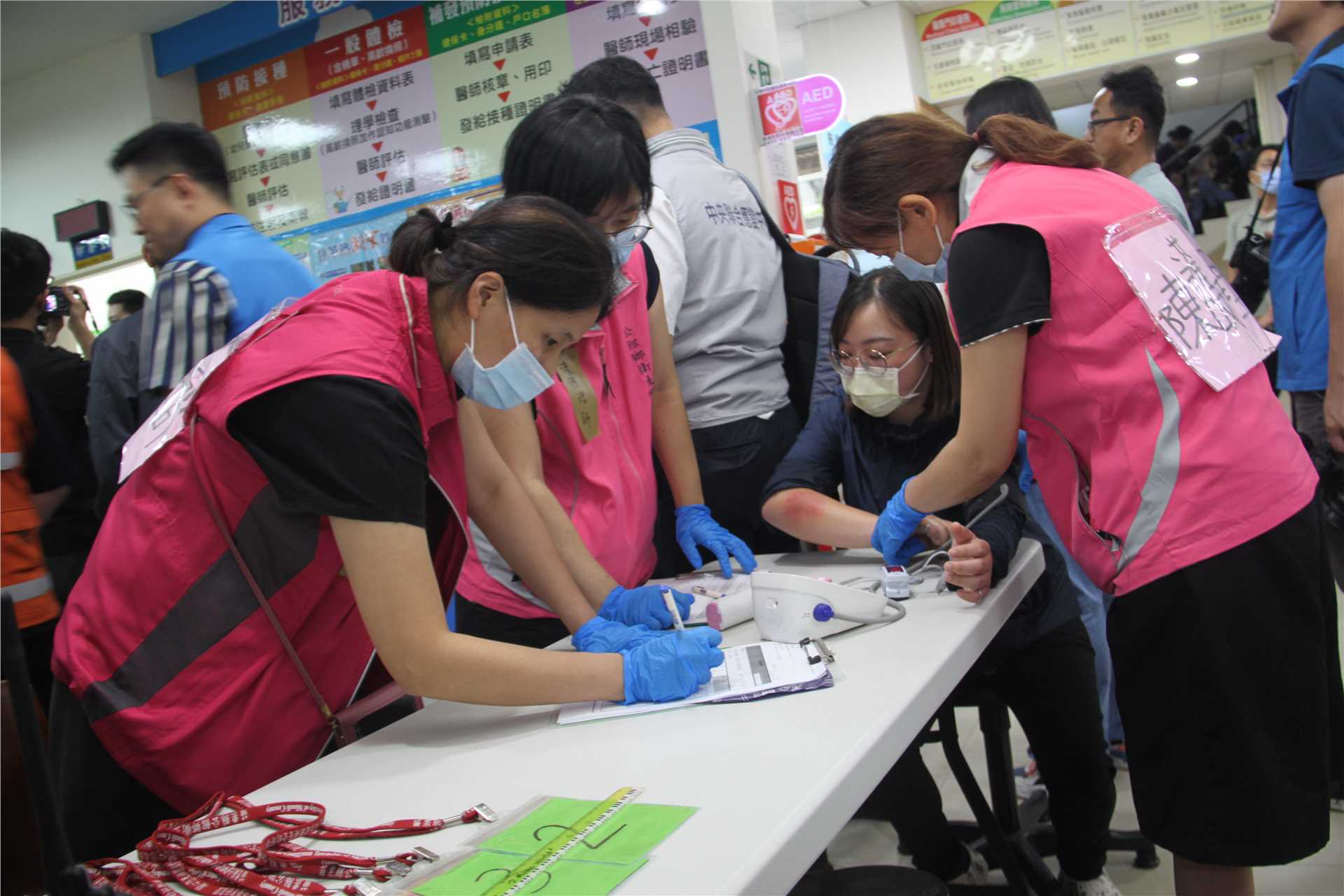
Aid Station Scenario drill
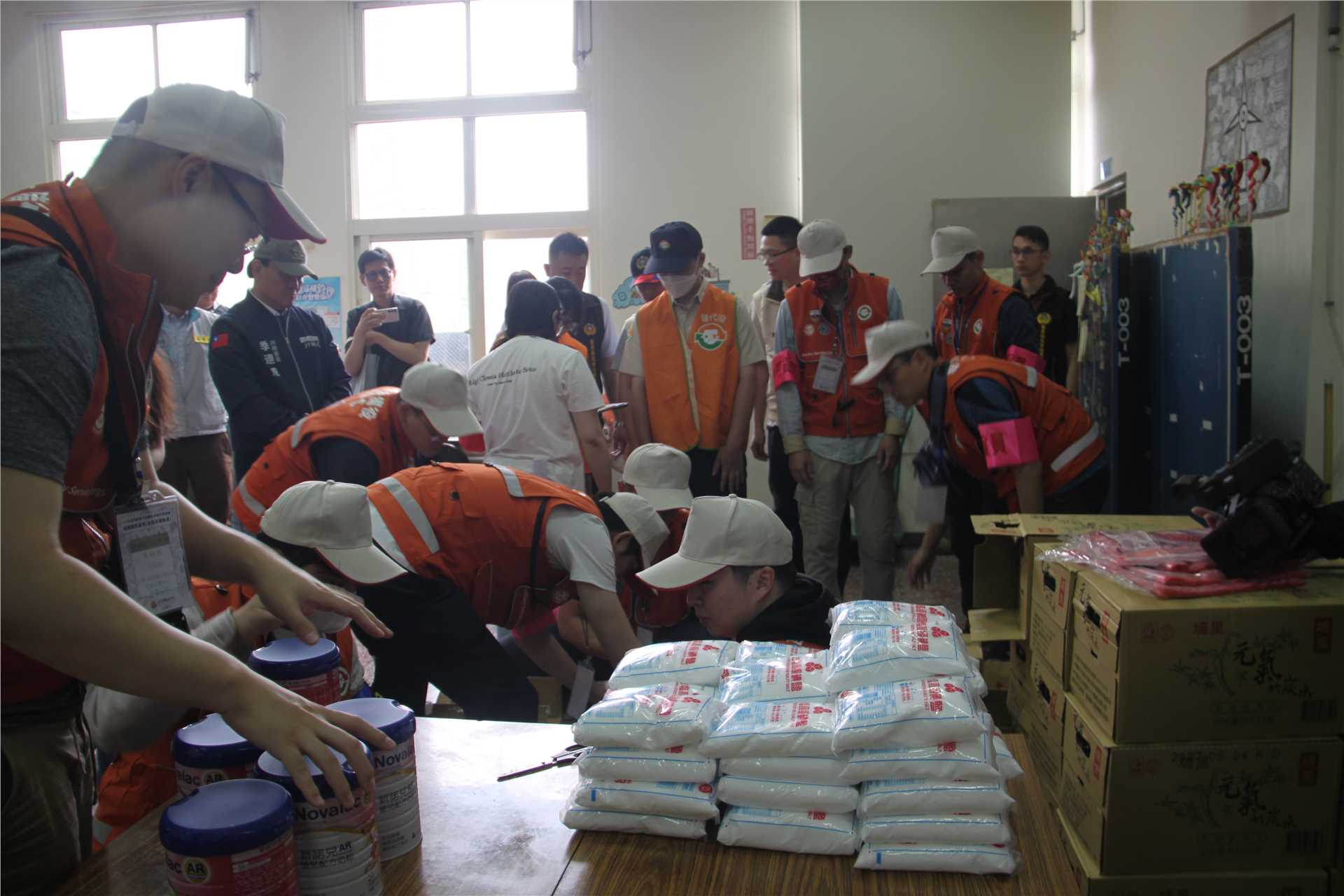
Medical receiving drill at the rationing station
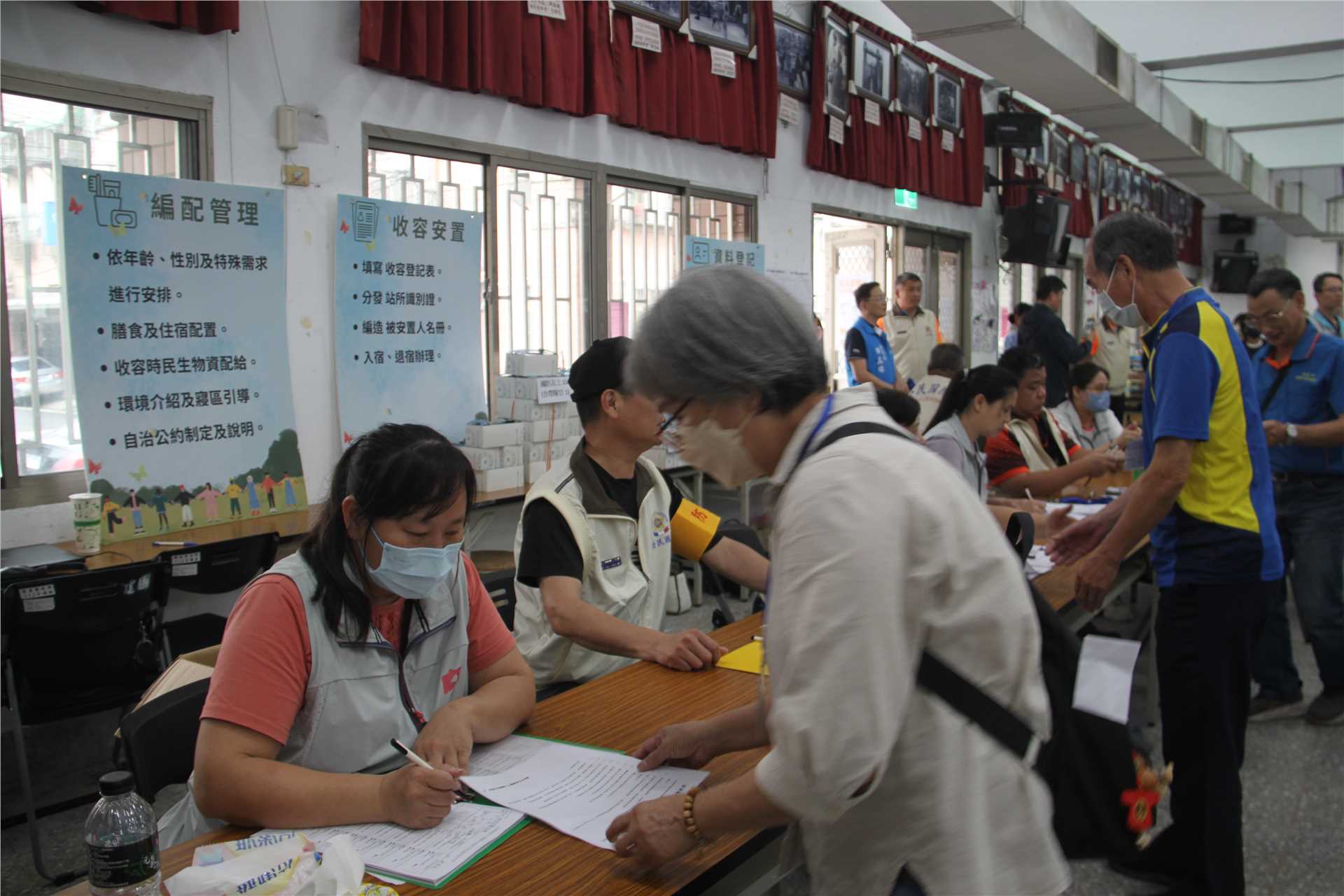
Relief Station establishment drill
The 2nd session of the 2026 Urban Resilience (All-Out Defense Mobilization) Exercises was successfully completed by the Miaoli County Government on May 13 and 14 (Wednesday and Thursday). Following the opening remarks by County Magistrate Chung Tung-chin during the Table Top Exercise, Deputy County Magistrate Chiu Li-li participated throughout the remainder of the event and served as the exercise commander. Administrative Vice Minister of Economic Affairs Lai Chien-hsin (for the Table Top Exercise) and Secretary-General Chuang Ming-chih (for the Comprehensive Implementations) served as supervisors from the Executive Yuan, leading representatives from various ministries to conduct evaluations. Furthermore, Executive Yuan Minister without Portfolio Chi Lien-cheng attended to provide guidance, demonstrating the mutual emphasis placed by both central and local governments on whole-of-society defense resilience preparedness.
The first day of the Table Top Exercise was conducted using a "scenario-based, script-free" approach. By simulating various wartime conflict scenarios, the Exercise Control Group issued conditions supplemented by ad-hoc situations. This allowed participants to experience the harsh environment of wartime and verified the "decision-making" and "command and control" capabilities of the county leader and the Local Joint Emergency Operation Center (LJEOC).
The second day featured Comprehensive Implementations based on the conclusions of the first day's Table Top Exercise. Following the requirements to "act upon orders, start from scratch, and train continuously," the drill employed personnel and real materials on-site in small areas with realistic scenarios to increase exercise intensity. The exercise continued to expand public participation by incorporating civil defense groups, private organizations, alternative service personnel, Taiwan's Community Emergency Response Teams (T-CERT), and volunteer groups. The establishment of first aid stations, relief centers, and rationing stations were rigorously practiced to verify the effectiveness of medical care, personnel sheltering, and resource rationing. This ensures that all-out defense capabilities are rooted at the grassroots level, effectively integrating emergency response mechanisms to maintain societal and essential public services during wartime.